
Table of Contents
Scratches near your entryway, dull patches in the living room, and worn areas beneath furniture can make your hardwood floors look older than they are. But do these signs mean you need complete refinishing, or would a simpler treatment restore their appearance?
If you’re considering floor refinishing in Annapolis, understanding the difference between everyday surface wear and actual finish deterioration can help you avoid unnecessary work.
Brothers Flooring Services helps Annapolis homeowners assess existing hardwood floors and explore appropriate restoration options.
This guide explains when hardwood floors need attention, how to recognize significant wear, and whether cleaning, recoating, repairs, or full refinishing is the best next step.
How Often Do Hardwood Floors Need Refinishing?
Hardwood floors do not have a fixed refinishing schedule. Some may need attention after years of heavy use, while well-maintained floors can last considerably longer before requiring full sanding.
Instead of counting the years since your last refinishing, look closely at how well the finish protects your hardwood.
According to the National Wood Flooring Association (NWFA), a maintenance coat may restore floors with surface wear, while complete sanding is more appropriate when deep scratches, dents, or exposed wood are present.
For homeowners considering hardwood floor refinishing in Annapolis, the condition of the existing finish is more important than the floor’s age.
Does Hardwood Type Affect Refinishing Frequency?
Solid hardwood can often be refinished multiple times because it has a substantial sandable wood layer.
Engineered hardwood flooring has a thinner hardwood surface attached to a layered core. Some engineered products can be refinished, while others cannot safely withstand sanding.
The remaining sandable wood layer, previous refinishing work, and floor construction determine whether another refinishing project is appropriate.
What Are the Signs Your Hardwood Floors Need Refinishing?
Hardwood floors often develop visible signs of wear before extensive restoration becomes necessary.
Scratches, Scuffs, and Surface Damage
Light scratches may affect only the finish and could be addressed through maintenance recoating.
Deeper scratches that reach the wood may require sanding or localized repairs.
Hallways, entryways, and frequently used living spaces often show wear sooner than less-used rooms.
Dullness, Fading, and Uneven Color
Sunlight exposure, regular use, and cleaning practices can gradually change the floor’s appearance.
If approved cleaning products no longer improve the surface, the existing coating may need attention.
However, dullness alone does not automatically mean complete refinishing is necessary.
Worn Finish and Exposed Wood
When the protective coating wears away, bare wood becomes more vulnerable to staining and moisture.
Watch for faded finish patches, rough surfaces, darkened exposed areas, and significant differences between high-traffic and protected sections.
Quick Homeowner Decision Guide
Floor condition | Recommended next step |
Minor dullness with an intact finish | Clean using manufacturer-approved products |
Light scratches limited to the finish | Ask whether maintenance recoating is suitable |
Deep scratches or widespread exposed wood | Request a sanding and refinishing assessment |
Loose boards or localized damage | Investigate repairs before refinishing |
Water damage or persistent moisture | Identify and resolve the moisture source first |
These guidelines can help you understand your options before scheduling professional hardwood restoration.
What Factors Affect How Often You Should Refinish Your Floors?
Several conditions influence how quickly hardwood floors show wear.
Daily Foot Traffic and Household Activities
Entryways, hallways, and family rooms often experience more activity than bedrooms or guest rooms.
Pets, moving furniture, abrasive dirt, and frequent visitors can increase surface scratching.
Protective mats and furniture pads can help reduce unnecessary wear.
Flooring Finish and Previous Maintenance
Different finishes offer different maintenance requirements.
Using unsuitable cleaning products, waxes, or polishing treatments can leave residue, alter the surface appearance, or interfere with future recoating.
Regular cleaning with finish-compatible products helps preserve the flooring.
Moisture Exposure and Indoor Conditions
Seasonal humidity changes can cause hardwood to expand or contract.
Spills, plumbing leaks, or persistent dampness may damage boards or affect the finish.
Before scheduling residential floor refinishing in Annapolis, homeowners should address active moisture problems so the restored flooring is not exposed to the same conditions.
Should You Refinish, Recoat, Polish, or Repair Your Hardwood Floors?
The right treatment depends on the type of wear, the existing finish, and the condition of the wood beneath it.
Treatment | Best suited for | Important consideration |
Routine cleaning | Dirt and minor surface dullness | Use approved cleaning products |
Polishing | Compatible finishes requiring manufacturer-approved maintenance | Some polishes create buildup |
Screening and recoating | Light finish wear without substantial wood damage | Existing finish must be compatible |
Sanding and refinishing | Deep scratches, exposed wood, widespread deterioration | Removes some surface wood |
Localized floor repair | Damaged or unstable individual boards | Underlying causes must be addressed |
Replacement | Severe damage or insufficient sandable wood | Requires a professional assessment |
When Is Screening and Recoating Appropriate?
Screening and recoating involves cleaning the existing finish, lightly abrading the surface, and applying a compatible new coating.
It may restore appearance when the underlying wood remains in good condition.
However, previous waxes, certain polishes, or contaminants can prevent proper coating adhesion. An installer may need to check finish compatibility or conduct an adhesion test before proceeding.
Why Is Polishing Different From Refinishing?
Homeowners researching wood floor polishing in Annapolis should understand that polishing does not replace a worn protective coating.
Some products temporarily change the surface appearance but may complicate future refinishing.
Only use maintenance products recommended for the specific flooring finish.
When Is Full Refinishing Necessary?
Full sanding is generally more appropriate when scratches extend into the wood, existing finish has worn away, or significant surface restoration is needed.
For homeowners considering hardwood floor restoration in Annapolis, an assessment can determine whether sanding, targeted repairs, or another treatment offers the most appropriate solution.
What Happens During Professional Floor Sanding and Refinishing?
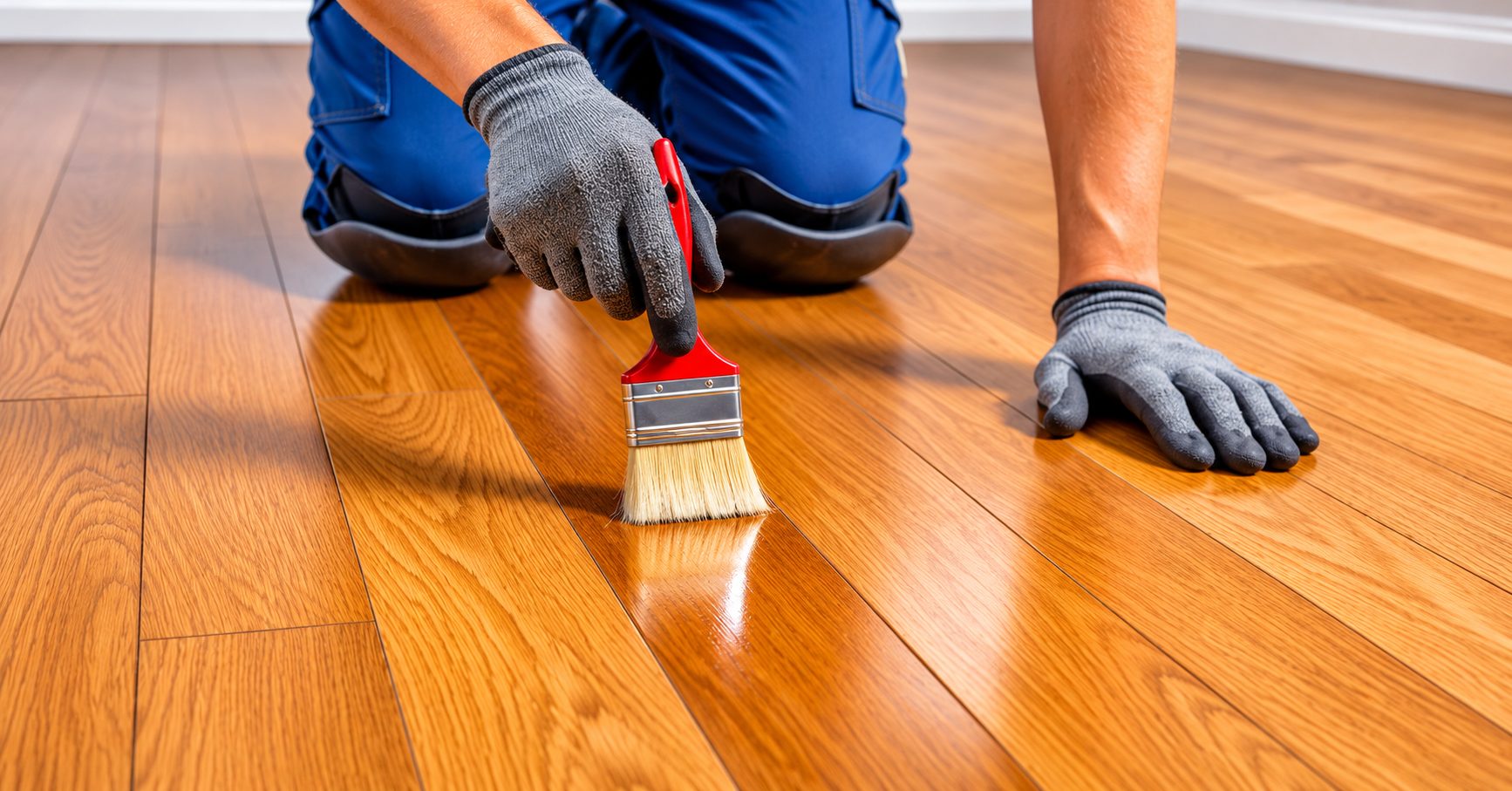
Professional refinishing restores the appearance of hardwood by removing worn finish layers, preparing the wood surface, and applying new protective coatings.
Step 1: Inspection and Project Preparation
The contractor evaluates scratches, stains, damaged boards, previous sanding, and remaining wood thickness.
Rooms are measured, existing conditions are discussed, and an estimate is prepared.
Before work begins, furniture and belongings must be cleared according to the agreed project scope.
Step 2: Sanding and Surface Repairs
Professional equipment removes the existing coating and a controlled amount of surface wood.
Suitable gaps, minor defects, or damaged areas may require additional attention before finishing.
Sanding produces dust, so homeowners should discuss dust containment, adjacent-room protection, and cleanup procedures with the contractor.
Step 3: Staining and Applying Protective Finishes
After sanding, the surface is cleaned thoroughly to remove residual dust.
An optional stain can change or restore the floor’s color.
Protective finish coats are then applied according to the selected product and installation requirements.
Brothers Flooring Services offers hardwood floor sanding and refinishing, including in-home assessments, detailed estimates, optional staining, and protective finishing.
Drying and curing requirements vary by finish type, temperature, humidity, and manufacturer instructions. Homeowners should confirm when walking, cleaning, furniture placement, and rug installation are permitted.
How Do Annapolis Weather and Home Conditions Affect Hardwood Refinishing?
Annapolis experiences seasonal humidity changes that can influence hardwood flooring.
Wood naturally responds to changing indoor moisture levels. Higher humidity can cause boards to expand, while drier conditions can cause contraction and visible gaps.
The NWFA generally recommends maintaining indoor temperatures of approximately 60–80°F and relative humidity around 30–50%, while following the flooring manufacturer’s specific requirements.
Older homes around Downtown Annapolis and Eastport may contain original hardwood that has undergone previous repairs or refinishing.
Waterfront-area homes may need closer inspection for moisture problems, particularly where leaks or damp conditions have occurred.
Before arranging floor refinishing in Annapolis, discuss existing floor movement, past water damage, and indoor conditions with your contractor.
How Can You Make Your Refinished Hardwood Floors Last Longer?
Proper maintenance can help hardwood floors go longer between refinishing projects.
Follow these practical recommendations:
Sweep or vacuum regularly to remove dirt and grit.
- Use cleaning products approved for the existing finish.
- Place felt pads beneath furniture legs.
- Clean spills promptly with a dry or slightly damp cloth.
- Maintain suitable indoor humidity.
- Avoid wet mops, steam mops, and abrasive cleaners.
- Use entrance mats to reduce tracked-in debris.
- Avoid applying waxes or polishes without checking compatibility.
Custom area rugs and runners can also help protect frequently used areas when paired with flooring-safe pads.
Follow the finish manufacturer’s instructions for routine maintenance and future recoating.
Final Thoughts: Know When Your Hardwood Floors Need Attention
Hardwood floors do not need complete refinishing simply because several years have passed.
Light surface wear may be manageable through appropriate cleaning or recoating, while exposed wood, deeper scratches, and significant damage may call for more extensive restoration.
If you’re considering floor refinishing in Annapolis, an assessment can help identify the most suitable treatment.
Not sure whether your floors need recoating or complete sanding? Find Out If Your Hardwood Floors Are Ready for Refinishing by scheduling a free in-home consultation with Brothers Flooring Services to discuss restoration options and estimated project costs.
FAQs
Can hardwood floors be refinished too many times?
Yes. Each full sanding removes a small amount of wood. The number of possible refinishing projects depends on the hardwood construction, remaining sandable layer, and previous sanding. Some engineered floors cannot be safely refinished.
Can I refinish only one room instead of the entire house?
Yes. Individual rooms can often be refinished separately. However, differences in wood aging, stain color, and finish sheen may become noticeable where newly refinished floors meet untreated sections.
Is it better to refinish hardwood floors before moving into a home?
Refinishing before moving in can simplify furniture removal and provide additional time for drying and curing. However, the ideal schedule depends on the floor’s condition, available access, and selected finishing products.
Can deep scratches and pet damage be removed through refinishing?
Many surface scratches can be reduced through sanding. Deep gouges, severe stains, or damaged boards may require targeted repairs or replacement before refinishing. Results depend on how deeply the damage extends into the wood.
How long should I wait before placing furniture on refinished floors?
Waiting times depend on the finish system, application conditions, and manufacturer instructions. Floors may feel dry before they are fully cured. Ask your contractor when furniture, rugs, and regular foot traffic can safely return.


