
Table of Contents
New flooring can refresh your home, but the installation process may raise questions about moving furniture, managing dust, preparing the subfloor, and keeping your daily routine on track. Understanding what happens on installation day can help you plan ahead.
If you’re searching for flooring installation near me in Annapolis, MD, knowing how professional installers prepare and complete a project can help you make informed decisions.
Brothers Flooring Services provides flooring installation services and material guidance for homeowners in Annapolis and surrounding Maryland communities.
This guide walks you through the installation process, explains what may affect your timeline, and highlights what to check before using your new floors.
What Happens During Professional Flooring Installation?
Professional flooring installation generally involves measuring the space, preparing the work area, evaluating the subfloor, installing the selected material, and completing finishing work.
The exact steps depend on your flooring type and existing conditions. Some projects require old-floor removal, while others may allow installation over a suitable existing surface.
Professional installers should also follow product-specific requirements for moisture, subfloor flatness, installation methods, and finishing.
Step-by-Step: What to Expect Before and During Flooring Installation
Most residential flooring projects follow six main stages, although the work required at each stage varies.
Step 1: Initial Consultation and Measurements
Before installation, your contractor evaluates the rooms, takes measurements, and discusses suitable flooring options.
The consultation may cover existing flooring conditions, material preferences, installation methods, and preparation requirements.
Homeowners comparing flooring installation near me should request an itemized estimate that identifies materials, labor, removal work, and possible additional charges.
Step 2: Preparing Your Home for Installation
Before installers arrive, clear the work area so materials and equipment can be moved safely.
Remove smaller furniture, decorations, electronics, and personal belongings. Confirm whether the installation team will handle larger furniture or appliances.
Keep pets and children away from active work areas. You should also expect some noise, movement of materials, and dust, particularly when existing flooring must be removed.
Ask how nearby rooms and belongings will be protected.
Step 3: Removing Existing Flooring
Depending on the project, installers may remove existing carpet, vinyl, tile, or hardwood before installing the new material.
Once the surface is removed, they can check the subfloor for hidden damage, uneven areas, or moisture concerns.
Some luxury vinyl products can be installed over approved existing surfaces. However, the underlying flooring must meet the manufacturer’s requirements.
If removal reveals unexpected problems, ask for an explanation and updated costs before approving additional work.
Step 4: Inspecting and Preparing the Subfloor
Subfloor preparation is especially important for luxury vinyl plank flooring.
Even when a surface appears level, small irregularities may affect plank connections, appearance, and long-term performance.
Your installer may need to:
- Check the subfloor for uneven or damaged sections.
- Measure moisture levels where required.
- Remove debris, loose material, or old adhesive.
- Repair damaged areas or apply leveling materials.
- Confirm the surface meets product specifications.
Moisture testing is particularly important when installing flooring over concrete.
Preparation requirements can also influence the final installation schedule and estimate.
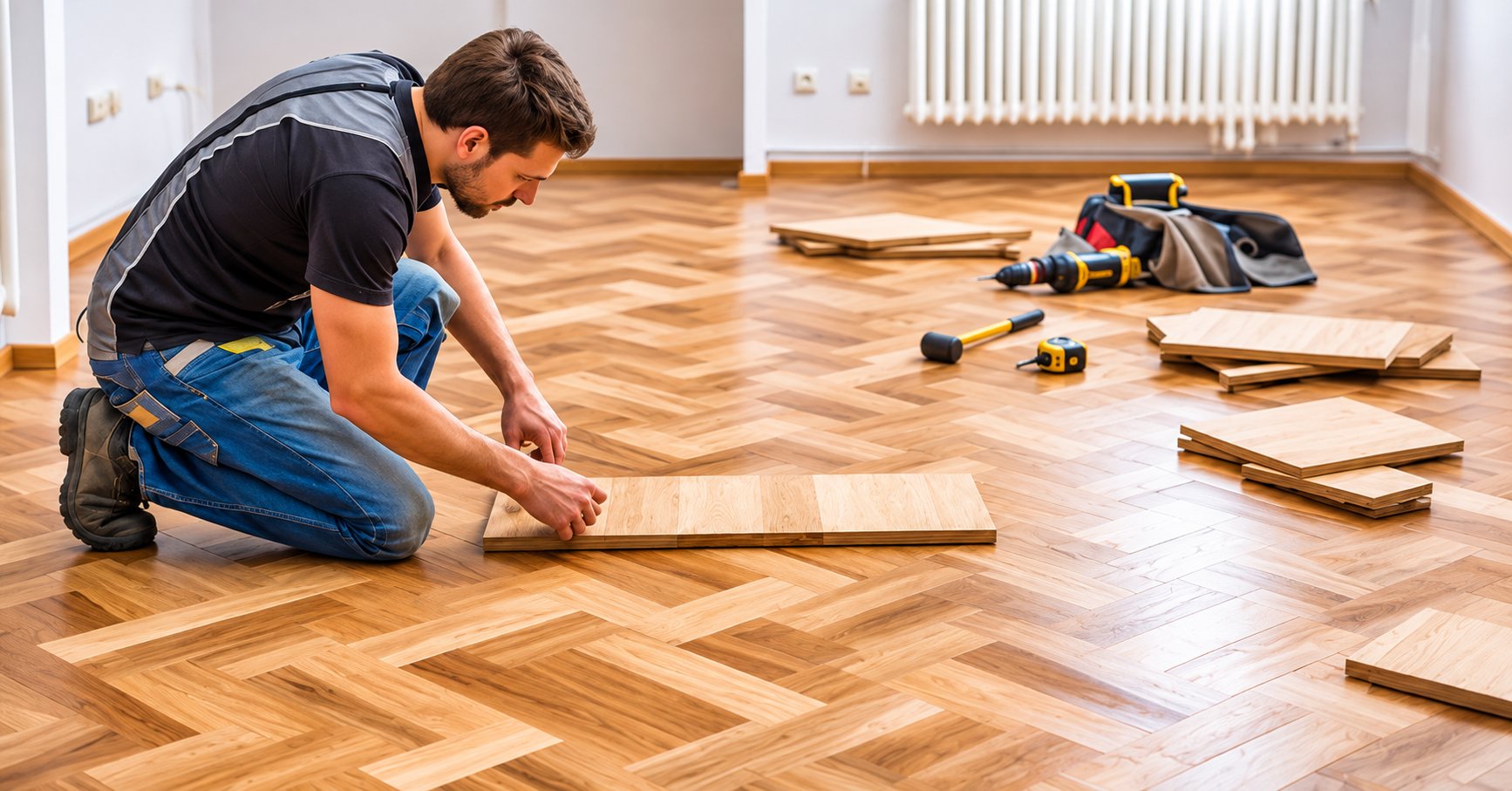
Step 5: Installing the New Flooring
Once the subfloor is ready, installers begin laying the selected flooring.
For luxury vinyl flooring installation, the process may involve a floating click-lock system or a glue-down method, depending on the product.
Installers plan the plank layout, cut materials around doorways, and maintain appropriate spacing along walls.
Some flooring products require specific storage or conditioning periods before installation. Follow the manufacturer’s instructions rather than assuming every material needs the same acclimation time.
Step 6: Finishing and Cleaning the Work Area
After the flooring is installed, the team completes transitions, trim, and other finishing details included in the project.
Installers should remove installation debris and review the finished floor for visible issues.
Before the work is considered complete, discuss any outstanding concerns, maintenance recommendations, and instructions for returning furniture to the room.
How Can You Prepare Your Home for Flooring Installation Day?
Good preparation reduces interruptions and helps the installation team work more efficiently.
Before your appointment, complete this checklist:
- Clear the installation area and nearby walkways.
- Remove fragile decorations and small belongings.
- Confirm furniture and appliance moving responsibilities.
- Arrange a safe space for pets and children.
- Discuss expected noise and dust.
- Ensure installers can access the property and work areas.
- Ask whether doors or baseboards need adjustments.
- Confirm the installation schedule and cleanup expectations.
If you’re arranging residential flooring installation in Annapolis, discuss these details during the consultation rather than waiting until installation day.
How Does Luxury Vinyl Installation Compare With Other Flooring Types?
Different materials require different installation methods and preparation procedures.
Flooring type | Installation considerations |
Luxury vinyl plank | Subfloor flatness, plank alignment, expansion requirements |
Hardwood | Moisture evaluation, fastening methods, product acclimation |
Engineered hardwood | Approved floating, glue-down, or nail-down installation |
Tile | Substrate preparation, setting materials, grout curing |
Carpet | Padding, seam placement, stretching, finishing |
Luxury Vinyl Flooring Installation
Homeowners exploring vinyl flooring installation near them often prefer luxury vinyl because of its appearance, maintenance convenience, and moisture-resistant options.
Luxury vinyl flooring is available in wood-look and stone-look designs.
Unlike traditional laminate, luxury vinyl generally offers greater surface moisture resistance, although product performance and installation requirements vary.
Hardwood, Tile, and Carpet Installation
Hardwood flooring installation requires attention to subfloor conditions, moisture, and the selected fastening method.
Tile flooring installation involves setting materials, spacing, grouting, and curing.
Carpet requires suitable padding where specified, accurate stretching, and carefully finished seams.
How Long Does Flooring Installation Take?
Flooring installation timelines vary based on room size, material selection, existing flooring removal, and subfloor conditions.
For example, installing click-lock luxury vinyl in a single room with a prepared subfloor may be relatively straightforward. Replacing flooring throughout several rooms can take longer because of furniture movement, demolition, transitions, and preparation of work.
Unexpected moisture problems or damaged subfloors may also extend the project.
The installation may be physically complete before the flooring is ready for full use. Glue-down flooring, tile, and some finishes require additional setting or curing time.
Ask your installer for a project-specific timeline and instructions for safely using the new floor.
What Should Annapolis Homeowners Consider Before Installing New Flooring?
Annapolis properties have practical flooring considerations related to seasonal humidity, moisture exposure, and existing building conditions.
Maryland’s humid summers make moisture evaluation and suitable material storage important, especially for wood flooring.
Older homes in Downtown Annapolis and Eastport may have uneven subfloors, previous flooring layers, or transitions requiring extra preparation.
Waterfront-area properties may also experience moisture-related concerns that deserve evaluation before installation.
When researching flooring installation near me, consider how flooring materials will perform in kitchens, entrances, living rooms, and other frequently used areas.
A proper assessment helps identify conditions that should be addressed before installing new floors.
What Should You Check During the Final Flooring Walkthrough?
The final walkthrough gives you an opportunity to inspect the completed work and ask questions.
Check the following:
- Are flooring planks or tiles aligned consistently?
- Are transitions and edges properly finished?
- Are there visible gaps, scratches, or damaged sections?
- Are baseboards and trims completed as agreed?
- Has installation debris been removed?
- Are there any areas requiring additional attention?
Ask how to clean the flooring, when furniture can be replaced, and which maintenance practices could affect the warranty.
Brothers Flooring Services includes a follow-up walkthrough in its flooring process, allowing homeowners to review the completed installation and address concerns.
Final Thoughts: Get Your Home Ready for Beautiful New Floors
A successful flooring installation begins with careful preparation, suitable material selection, and clear communication about the project.
Understanding each stage helps you prepare your space, anticipate possible disruptions, and protect your investment.
Brothers Flooring Services helps Annapolis homeowners explore flooring options and plan their installation projects.
Ready to transform your living space? Start Planning Your New Flooring Project with a free in-home consultation to explore luxury vinyl options and discuss your installation needs.
FAQs
Will flooring installation create dust and noise inside my home?
Some noise and dust are normal, especially during old-floor removal, cutting, or subfloor preparation. The amount depends on the material and installation method. Ask your contractor about dust protection, cleanup procedures, and areas that should remain closed during work.
What happens if installers discover damaged subfloors?
The installer should explain the damage, recommended repairs, and any additional costs or scheduling changes. Moisture problems, uneven surfaces, and structural damage may need correction before installation continues. Approve any additional work through a documented change order.
Does luxury vinyl flooring need to be accurate before installation?
Acclimation requirements depend on the product and manufacturer. Some luxury vinyl products require specific storage temperatures or conditioning periods, while others may not require a separate acclimation period. Your installer should follow the instructions for the selected flooring.
Will installers remove and reinstall baseboards?
Baseboard removal depends on the flooring material, installation method, and agreed project scope. Some installations use existing baseboards with additional trim, while others require removal and reinstallation. Confirm this detail before approving your estimate.
How should I protect my newly installed luxury vinyl flooring?
Use furniture pads, avoid dragging heavy objects, and clean spills promptly. Follow the flooring manufacturer’s recommended cleaning methods and products. Avoid excessive moisture, harsh chemicals, and cleaning practices that may damage the finish or affect warranty coverage.


